

More than two decades of world-leading atmospheric science.
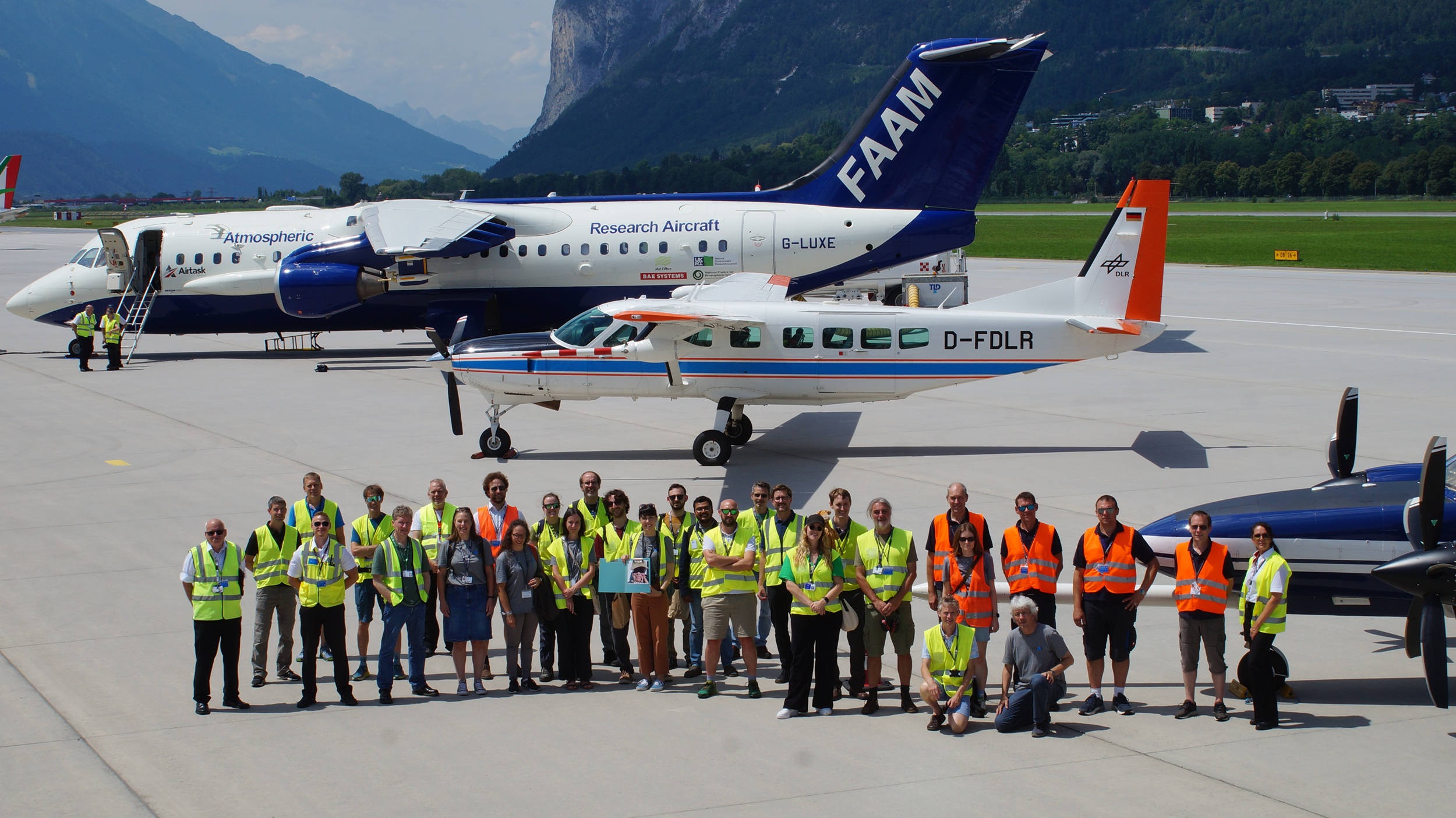
The FAAM Airborne Laboratory has supported over 120 science projects to date, across five continents and more than 30 countries. We have worked with 170 partner organisations globally. Data from FAAM’s measurements have been used in more than 500 publications, several of the world’s largest climate and weather models, and governmental policies both in the UK and internationally.
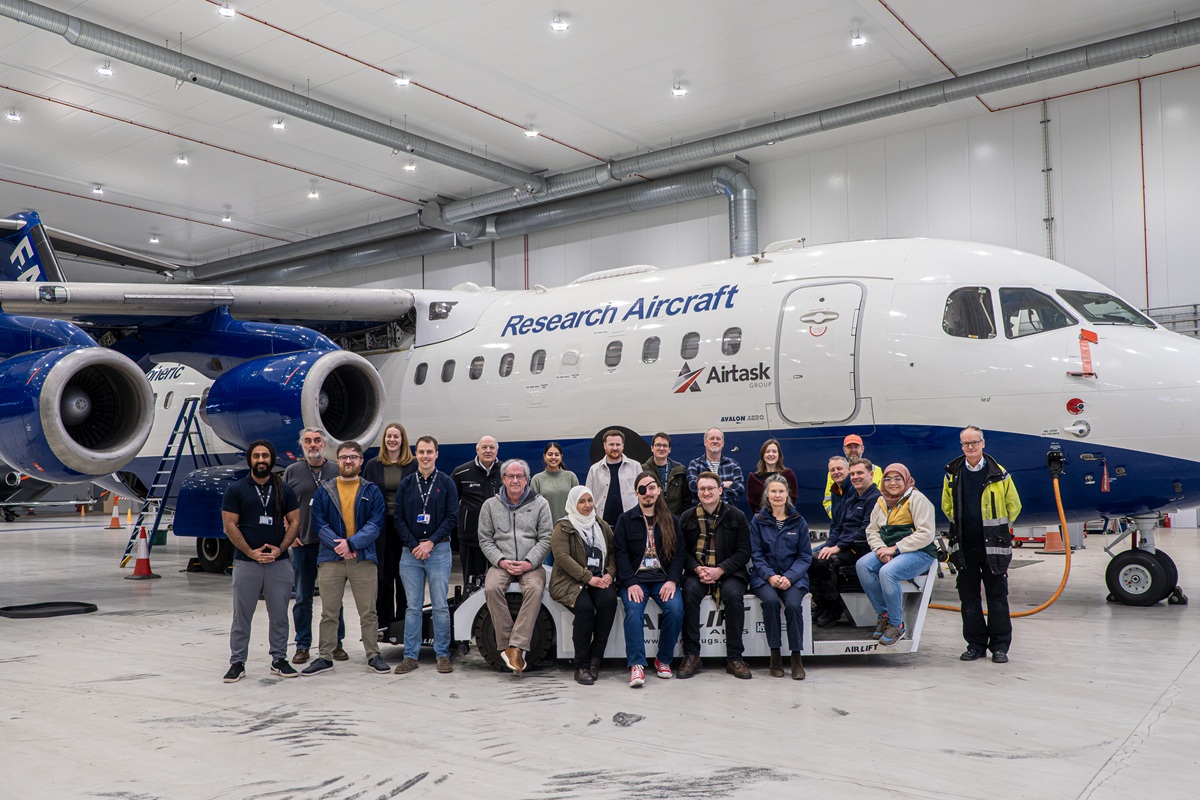
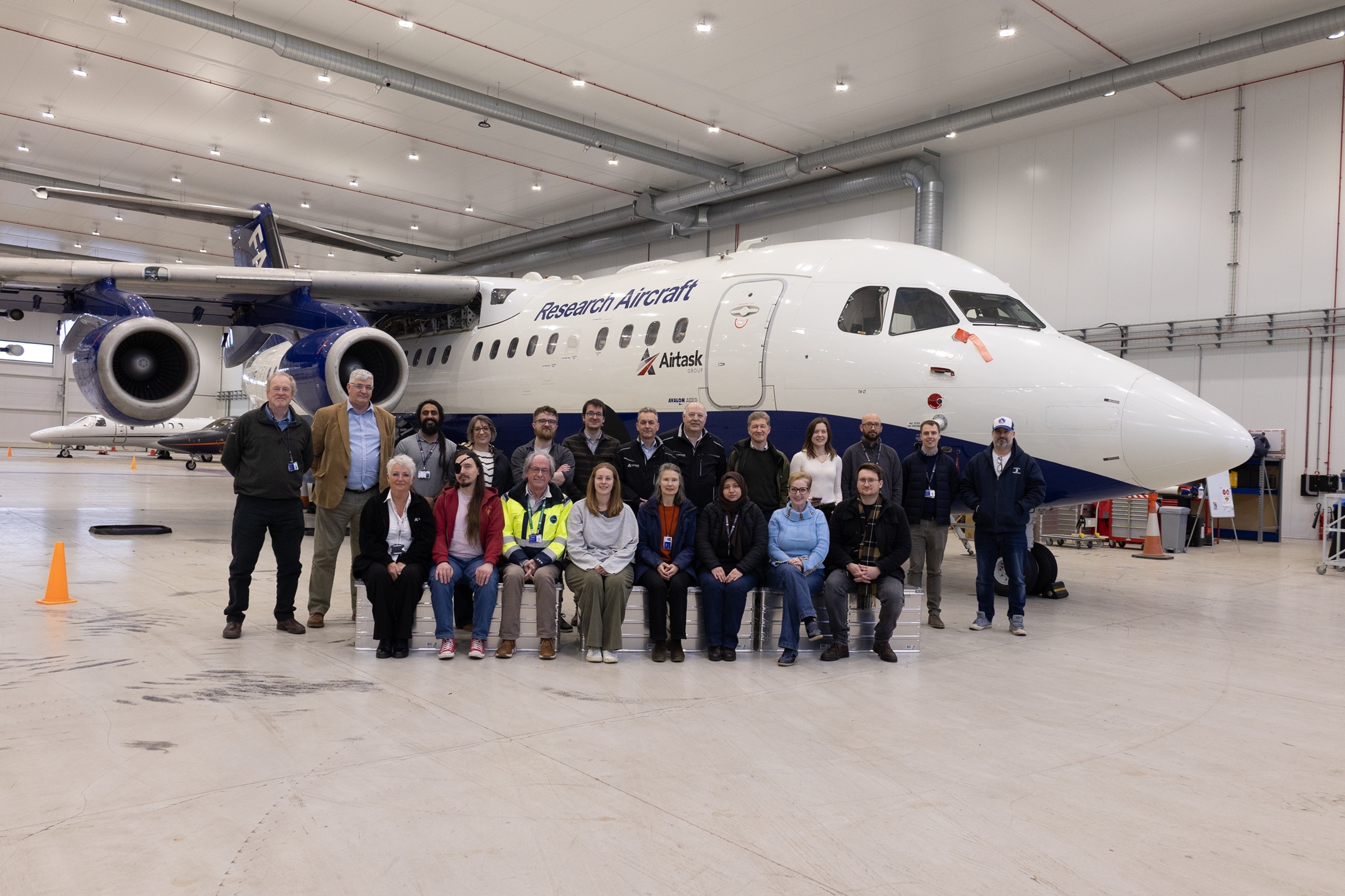
Our research aircraft sits at the heart of an airborne measurement community that dates back more than 100 years. Beyond the aircraft itself, FAAM and its support partners provide its users with flight operations and campaign support, measurement and instrument expertise, FAIR quality-controlled data, guidance and training. The airborne laboratory is supported by ground-based laboratories, workshops, essential ground power and cooling equipment, and a team of experts that ensure our users can make their measurements their primary focus.
Foundational Research
Foundational Research
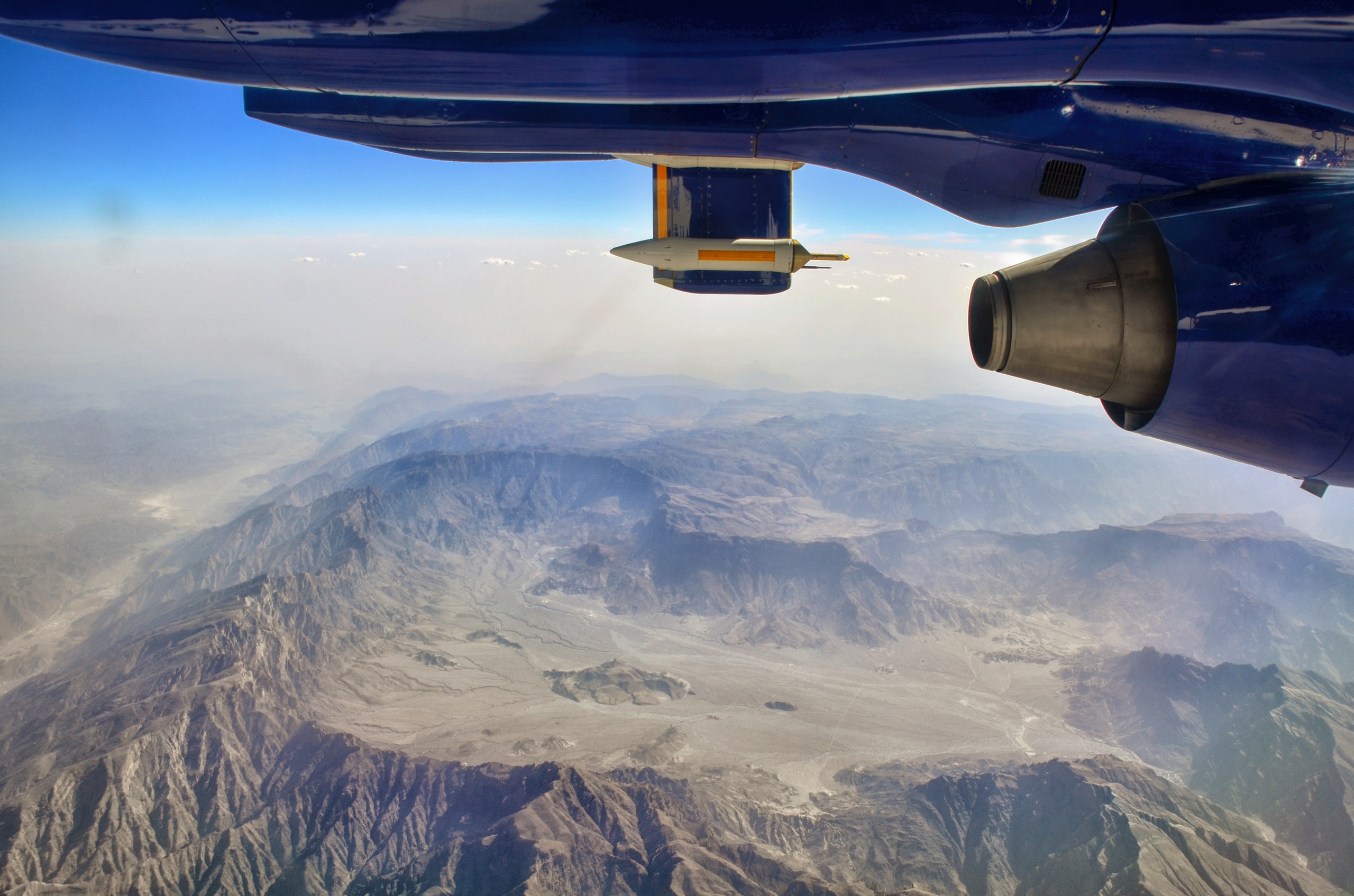
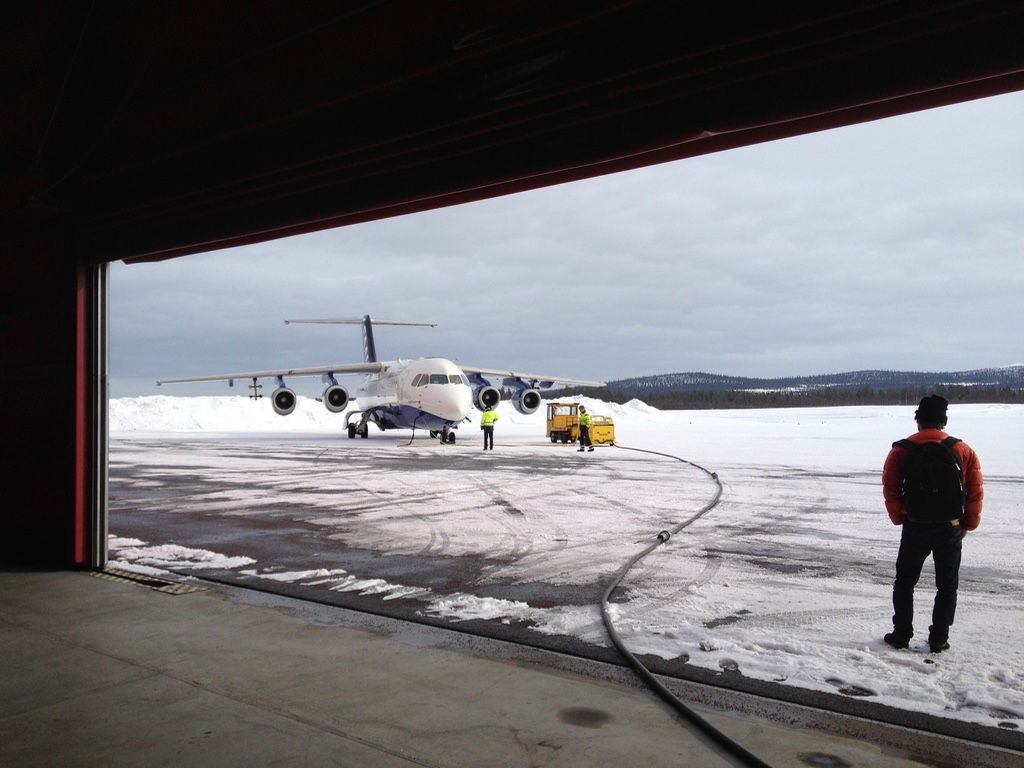
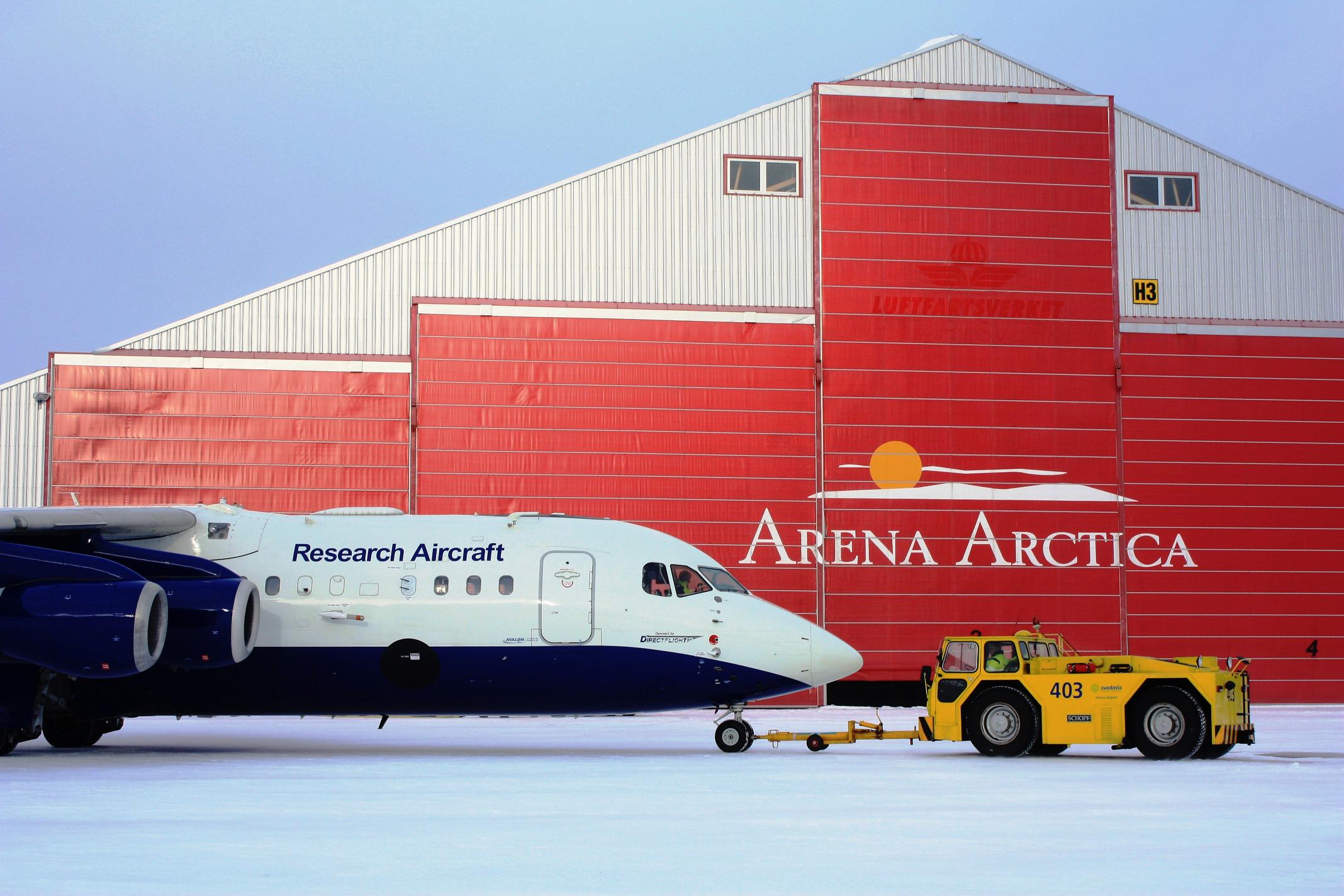
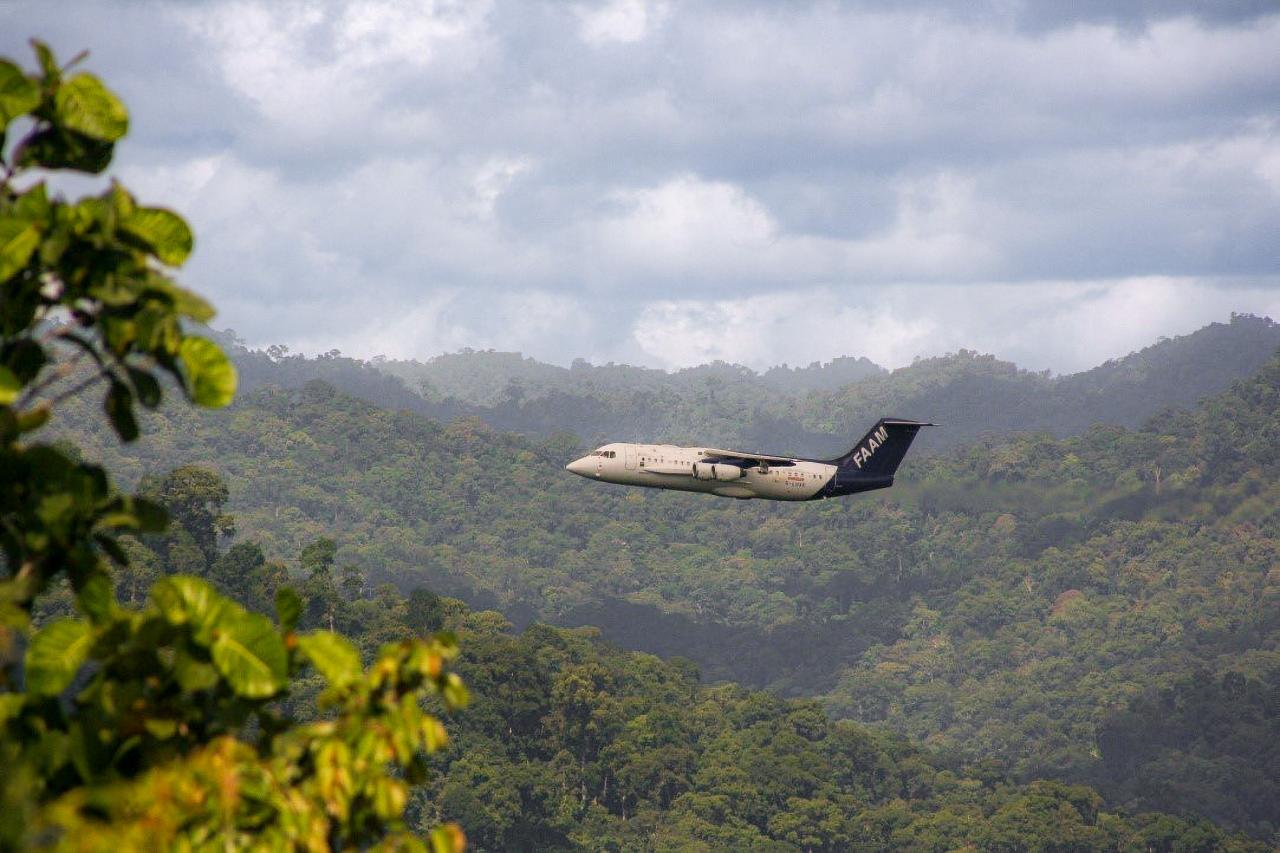
With a configurable scientific payload of up to 4,000 kg, operational altitudes from 50 ft to 35,000 ft, and flight duration of up to 5.5 hours, the flexibility of the FAAM ARA has allowed UK scientists to measure, in the natural environment and in real time, atmospheric constituents, processes, and climatic impacts. Many of these measurements are made for the first time or with increased precision and accuracy using the FAAM aircraft. Measurements have been made of the evolution of clouds under different meteorological conditions, the chemical composition and radiative properties of aerosols, and emissions from aircraft, ships, cities, rainforests, volcanoes, and the ocean.
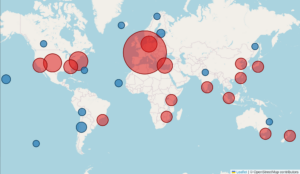
See where papers referencing the FAAM Airborne Laboratory have been published (since 2020).
Climate impacts of biomass burning in tropical regions
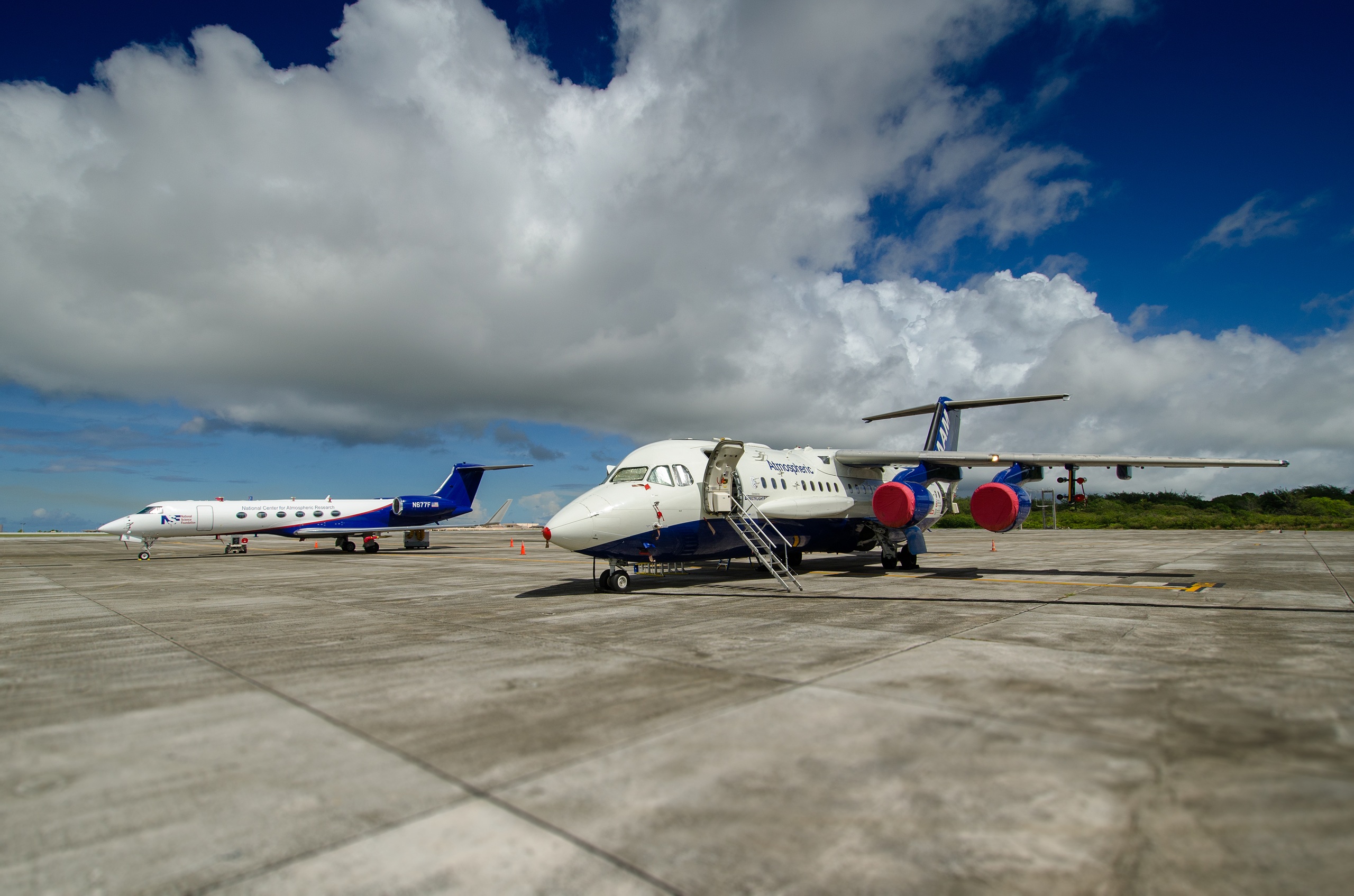
In 2014, FAAM joined the US National Centre for Atmospheric Research (NCAR) Gulfstream V aircraft to study the tropical western Pacific troposphere in Guam. The research revealed that carbon monoxide, biomass burning tracers and ozone had strong positive correlations in air parcels with high ozone and low water vapour. The results, published in Nature Communications in 2016, suggest that biomass burning in the remote tropical western Pacific has a larger effect on climate warming than previously thought. This research has an attention score within the top 5% of all research outputs scored by Altmetric, and has been used to support the recommendations made by the Montreal Protocol.
Methane released from Arctic seabed does not influence the atmosphere
In Summer 2014, FAAM and the NILU Norwegian Institute for Air Research partnered for a project to measure methane (CH4) seepage from the Arctic seabed sediments west of Svalbard, Spitsbergen, funded by the Research Council of Norway. FAAM took airborne measurements at the same time as ship observations of the seabed and water column, and land-based atmospheric measurements. High concentrations of dissolved methane were detected above the seabed, but FAAM’s measurements and computer modeling showed that maximum methane fluxes had limited influence on methane in the atmosphere. NILU scientists published these results in 2016 in Geophysical Research Letters, and this research remains significant in the field of oceanic methane emissions, reaching the top 5% of all research outputs tracked by Altmetric.
Globally Significant CO2 Emissions From Katla, a Subglacial Volcano in Iceland
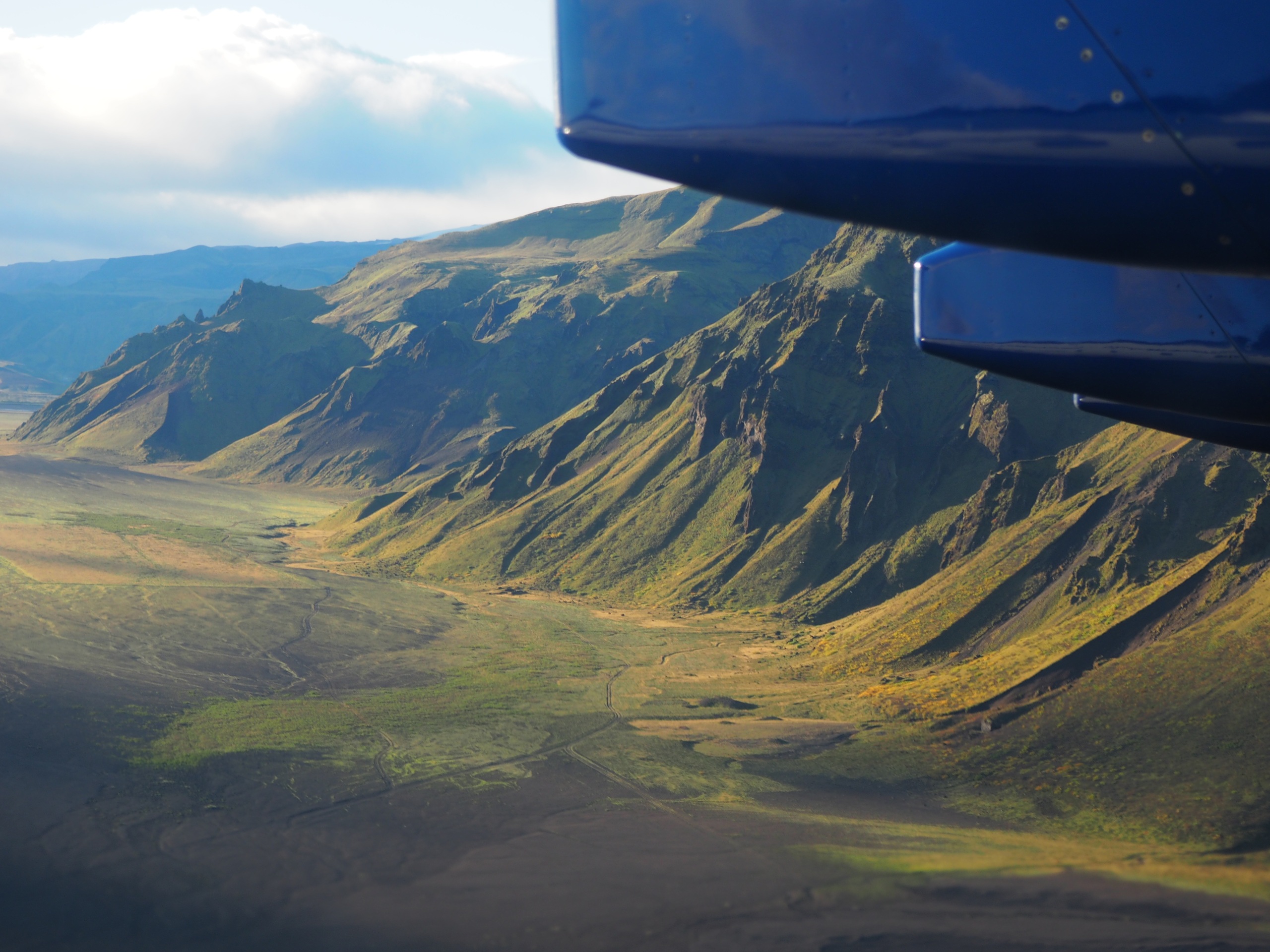
In 2016 and 2017, FAAM flew over Katla, a highly hazardous subglacial volcano in Iceland that erupted 100 years ago. Working with scientists from the Icelandic Meteorological Office, FAAM’s measurements quantified Katla’s CO2 emissions and showed that it is one of the largest volcanic sources of CO2 on Earth, responsible for up to 4% of total global volcanic emissions.
The results from the Katla study were published in 2018 in Geophysical Research Letters, and its publication Attention Score is in the top 5% of all research outputs scored by Altmetric, confirming its high impact in the field of subglacial volcanism and global CO2 budget research.
Quantifying methane emitted from tropical wetlands in Zambia
In 2019, FAAM conducted the first airborne measurements of methane (CH4) over three wetland areas in Zambia in the Upper Congo basin. Tropical wetlands are thought to account for roughly one-fifth of the global methane emissions, but studies on tropical wetlands in Africa are extremely rare. The results revealed that the land surface models commonly used to budget methane actually underestimate emissions, meaning that wetlands may be emitting more methane than previously thought. If more methane is being emitted by the many other African wetlands then we may have overestimated the amount of methane that humans can yet emit before reaching 2°C of global warming.
The research output from this study, published in Global Biogeochemical Cycles in 2022, is in the top 3% of papers published in 2022 on this topic in Altmetric.
Understanding the impact of Saharan dust on the atmosphere
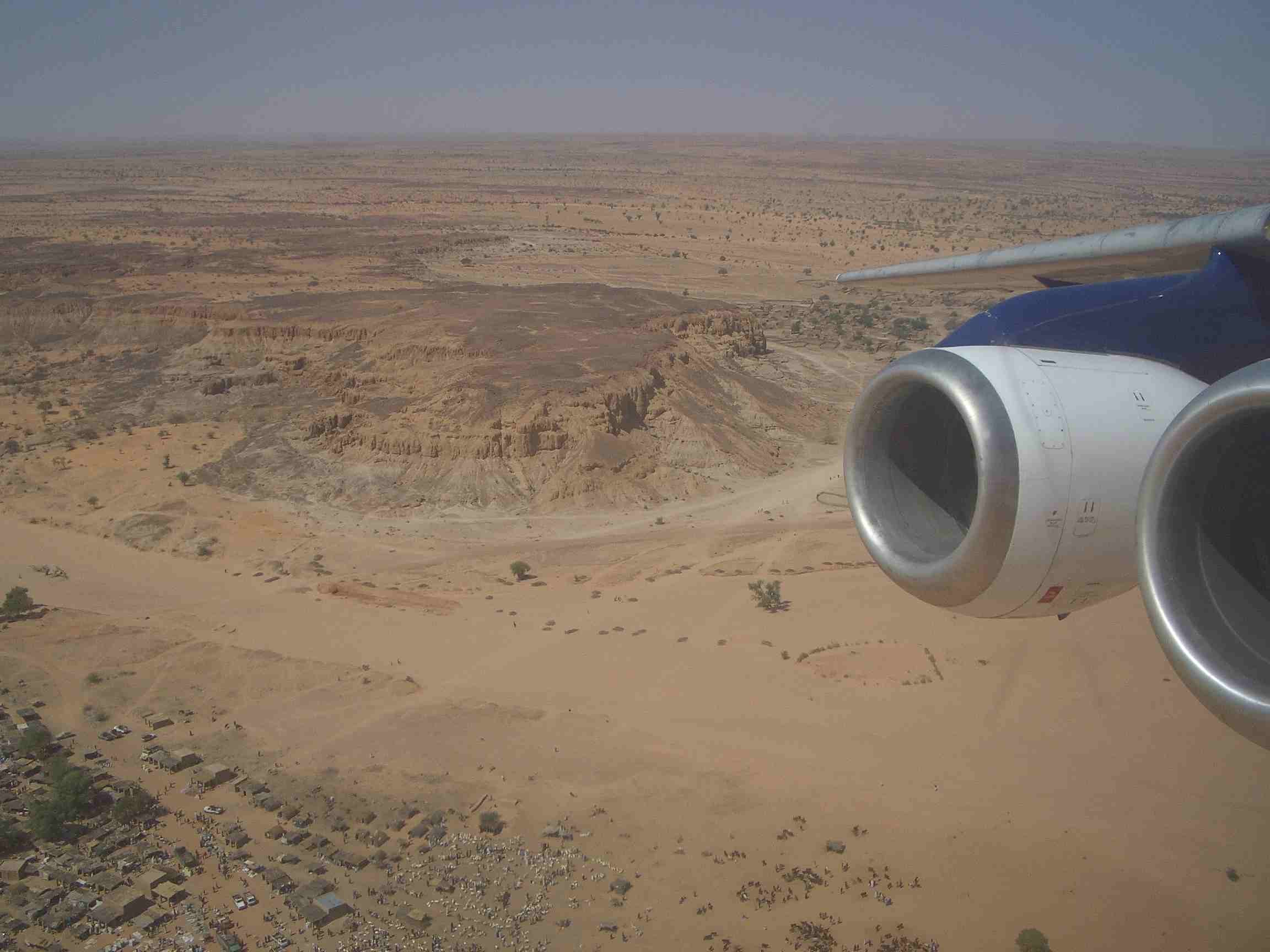
Dust from the Sahara and other deserts affects the weather and our climate. During 2011 and 2012, FAAM delivered crucial observations of airborne desert dust as part of the Fennec field campaign in the west African Saharan heat low. This region of the world is poorly represented in forecasting and climate models as few observations have been in this area before. One of the highlights of Fennec was the confirmation of the existence, presence and extent of super-coarse (larger than 10 microns) and giant (larger than 62 microns) dust particles measured by FAAM over the Sahara in Mali and Mauritania. Previously it was believed that particles of this size were too large to travel far in the atmosphere but measurements with aerosol and cloud probes confirmed that they were ubiquitous and present up to altitudes of around 5 km. At these heights, they can travel far across the Atlantic.
FAAM dust measurements, furthered by the ICE-D/AER-D field campaign at Cape Verde in 2015, provided further evidence that super-coarse dust particles exist within dust plumes in the atmosphere, and are missing in weather and climate models, which affects our ability to predict dust plume transport and the contribution of dust to climate change, since larger dust particles are able to cause more of a warming effect than smaller ones. This has led to a deluge of model investigation and improvement studies to understand how we can improve dust in weather and climate models using observational airborne data and understand their deficiencies, much of which is still ongoing.
Understanding the Earth’s nitrogen cycle
Between 2019 and 2022, the FAAM Airborne Laboratory flew in the clean marine atmosphere over the North Atlantic Ocean as part of the North Atlantic Climate System Integrated Study (ACSIS) project, taking measurements during different seasons. Our measurements confirmed that the ocean is a significant source of gas-phase urea. The study was published in 2023 in Proceedings of the National Academy of Sciences, and the results have significant implications for our current understanding of the global nitrogen biogeochemical cycle, which is essential for plant growth and crop yields. The attention score of this research paper is in the top 5% of all research outputs ever tracked by Altmetric.
Aerosol impacts on climate and cloud processes
Atmospheric aerosols and their interaction with clouds, despite improvements in the period between the ICCP AR5 in 2014 and ICCP AR6 in 2021, are still responsible for some of the largest uncertainties in climate models. Observational measurements are still essential to improve climate models. In 2017 the FAAM aircraft flew out of Ascension Island in the Atlantic Ocean, working in collaboration with French airborne, and US ground and airborne campaigns to quantify the impacts of biomass burning aerosols, improve climate models, and calibrate satellite measurements. These measurements have also been used to develop better predictions about the impacts of aerosols on the climate.
There continues to be an urgent need to understand how aerosol particles influence clouds, and for climate models to replicate these processes accurately.FAAM’s work has a real world impact, contributing directly to the implementation of the advanced microphysics CASIM scheme in the Met Office Unified Model.
A landmark study in 2011 synthesized organic aerosol measurements from 17 aircraft campaigns between 2001 and 2009, including by FAAM. It provided the first comprehensive evaluation of global model performance against vertical organic aerosol distributions. The study found that models systematically underestimated observations in 13 of 17 campaigns. FAAM’s vertical profiling capability was crucial in showing that model bias increased with relative humidity and that additional sources and sinks were required to match observed organic aerosol concentrations.
Emergency response, civil contingency & regulatory support
FAAM has been called into action in response to numerous natural and industrial events and disasters, both in the UK and further afield. The aircraft is bound by normal aviation safety requirements, but the instruments we carry allow us to determine safe operating limits in real time. As a result, we can operate with far greater precision than most other aircraft when monitoring and measuring atmospheric conditions.
Industrial incidents: 2005 Buncefield oil depot fire
In December 2005 several oil tanks at a storage depot near Hemel Hempstead exploded. The resulting smoke cloud rose to over 2,000 m in height and drifted across Hertfordshire, Bedfordshire, and further to the South West. FAAM flew into the smoke plume to map its spatial extent and determine chemical and physical properties of the smoke constituents. Emission estimates were calculated and used to initialise the Met Office plume dispersion model. Off line analysis of toxins was carried out to determine potential public health impacts.
Natural disasters: 2010 Eyjafjallajökull Volcanic Eruption
In April 2010 the Eyjafjallajökull volcano in Iceland erupted, shutting down airspace across much of Europe and impacting flights globally. Equipped with in situ particulate and gas phase instrumentation as well as lidar for remote measurement of the ash cloud vertical structure, the FAAM aircraft was able to safely operate in ash-contaminated airspace over the North Sea and UK providing data unavailable from any other platform during the Eyjafjallajökull crisis [Johnson 2012, Newman 2012, Turnbull 2012]. The CAA and Met Office used this data to map the evolution of the ash cloud and decide when and where to reopen UK airspace.
Industrial incidents: 2012 Total Elgin platform leak
In 2012, FAAM was deployed to measure an uncontrolled gas leak on the Elgin gas platform in the North Sea. We measured the methane flow rate during six flights over a three week period, within five days of the initial wellhead blowout on 25 March. Our measurements were used to confirm the changes to the leak (both total flowrate and composition), allowing Total’s relief engineers to reoccupy the platform and begin plugging the leak. The well intervention operation began on 15 May, and the leak was stopped 12 hours later. At Total’s request, FAAM undertook one further flight on 15 August to independently confirm that there were no residual emissions from the Elgin platform. FAAM’s services were praised as “the most robust and valuable of all” by Total and the then Department of Energy & Climate Change. The cost of the two-month shutdown was £1 billion, and FAAM’s work was highlighted as a factor that limited the duration of the incident.
Similar disasters in the oil and gas energy sector required airborne responses both on- and off-shore, such as the Gulf of Mexico Deepwater Horizon oil spill in 2010 [Ryerson 2011, Ryerson 2012], the Aliso Canyon blowout in Los Angeles in 2015 [Conley 2016], or the Nord Stream gas pipeline sabotage in the Baltic Sea in 2022 [Reum 2025, Harris 2025].
For the 2022 Nord Stream underwater pipeline explosions, a report from the United Nations Environment Programme International Methane Emissions Observatory UNEP/IMEO showcases the importance of different measurement approaches, marine, airborne, tall-tower and satellite- based, for quantifying methane emissions in similar contexts [UNEP-IMEO, Synthesis Report on Nord Stream Gas Leaks, Feb 2025].
The FAAM Airborne Laboratory is the only European research aircraft to have taken part in the first peer-reviewed assessment of methane measurement technologies in Europe. FAAM’s aircraft sampled a methane controlled release conducted in Lacq (France) in September 2024, supported by Stamford University under the auspice of TotalEnergies and the UNEP/IMEO, to validate its detection and quantification capabilities [UNEP-IMEO, Validation of Methane Quantification Technologies, Feb 2026]. FAAM successfully detected and quantified an on-shore methane release, the results of which are currently being peer-reviewed [Lakomiec 2025, McManemin 2025].
Regulations: Shipping emissions in North-East Atlantic waters and the impact of international regulations
In 2020, international maritime regulations were introduced to significantly reduce the amount of sulphur allowed in ship fuels. FAAM measured the impact of, and compliance with, these new limits during the ACRUISE campaign. FAAM flew in the eastern Atlantic and English Channel in 2019, before the restrictions came into force and afterwards in 2021 and 2022. Prior to 2020, pollutants and cloud condensation nuclei fell by approximately a factor of 5 across the sulphur emission control boundary. After 2020, a ten-fold decrease in sulphur emissions was seen in open ocean shipping lanes while the proportion of ships exceeding regulatory limits also dropped by a similar proportion.
Sustainable Aviation Fuel: a UK-first experiment
The FAAM aircraft was among the first in the UK to operate routinely on Sustainable Aviation Fuel (SAF) and has been involved in several projects to understand the impacts of SAF on both the environment and the aircraft using this type of fuel. The most recent of these, GRound-Based and Inflight Measurements of Sustainable Aviation Fuel (GRIM-SAF), was the first instance of an aircraft “chase” experiment in the UK; flying in close formation with another aircraft with the aim of sampling its exhaust plume multiple times throughout a flight.
Partnerships
Partnerships
As an internationally-recognised airborne measurement platform, FAAM has worked with global partners to support collaborative scientific research and innovation. As well as strengthening the UK’s research links to other countries, our work has brought funding and recognition to the UK in the field of atmospheric science. Primarily publicly funded through NERC, FAAM also works with private organisations and international funding agencies on joint projects.
Explore the network of FAAM’s partnerships.
Supporting Met Office climate and weather models
FAAM observations have always been critically important to the Met Office in both developing and validation of improvements to its weather and climate modelling. An independent study concluded in 2024 that the Met Office will deliver benefits worth £56 billion to the UK economy over the next ten years, some of which has been underpinned by FAAM observations.
Recently, multiple FAAM field experiments have supported the development of the new Met Office Cloud Microphysics scheme CASIM. In-situ data from FAAM projects that evaluated cloud microphysics, aerosols, and dynamics heavily underpinned the model development, including DC-MEX, PICASSO, COPE and CLARIFY. These projects were supported by FAAM across 15 years from 2008 to 2022. The Met Office considers CASIM part of a world-leading development that has produced a measurable improvement in both global and UK model forecast performance scores.
Thirteen FAAM projects across a decade combined to underpin the Global Aerosol Synthesis and Science Project (GASSP). This initiative was noted in the 2021 Research Excellence Framework as being instrumental to the development of the Global Model of Aerosol Processes (GLOMAP) aerosol scheme. GLOMAP is a key component in the UK Earth System Model (UKESM1) and contributes to the World Climate Research Programme’s Coupled Model Intercomparison Project (CMIP6), which informs international climate policy.
Satellite Validation with the European Space Agency
The EARTHCARE satellite, launched in 2024, includes instruments for the global profiling of clouds and aerosols. In order to validate cloud retrievals with in situ cloud particle measurements, FAAM conducted flights in 2024 and 2025. A variety of cloud types were selected with the ARA flying at multiple altitudes to fully characterise the cloud. Timing and location were precisely controlled so that the aircraft was in a prime part of the cloud field and directly underneath the satellite as it went overhead.
Monitoring monsoons in India
In 2016 FAAM went to India with 50% funding from the Ministry of Earth Sciences. The aircraft was stationed in the northeastern city of Lucknow, prior to the arrival of the monsoon, in Bangalore in the south at the start of the monsoon, and back in Lucknow during the monsoon season in July. Flights covered much of the country and surrounding seas in a range of meteorological conditions.
Public Engagement and Science Development
As a publicly-funded facility, FAAM has supported many public engagement and student development initiatives and events throughout its existence.
We host a year-long MChem placement within the facility annually, and support numerous smaller placements, work experience opportunities, student projects and PhD projects. The Research Runway scheme offers early-career researchers funded flying hours to get their ideas off the ground. We deliver aircraft and facility tours for students, industry professionals and other research partners.
In 2012, 2014 and 2024 FAAM exhibited at the Royal International Air Tattoo, offering the public a rare opportunity to see the aircraft up close and talk to our team directly. We have also exhibited at Prestwick Air Show, Farnborough International Air Show and UKRI’s Festival of Tomorrow, and appeared at several others.
Members of our team deliver talks, training and workshops to schools and universities, professional bodies, and other research institutes. Most recently, in 2025 Dr. Oleg Kozhura (Science Delivery Coordinator for the MLU) represented FAAM Airborne Laboratory in the “I’m a Scientist, Get me Out of Here” student-led STEM enrichment activity. To date Oleg has supported 21 live chats with school students of different ages. Oleg won the award for most-voted-for scientist in July 2025.